


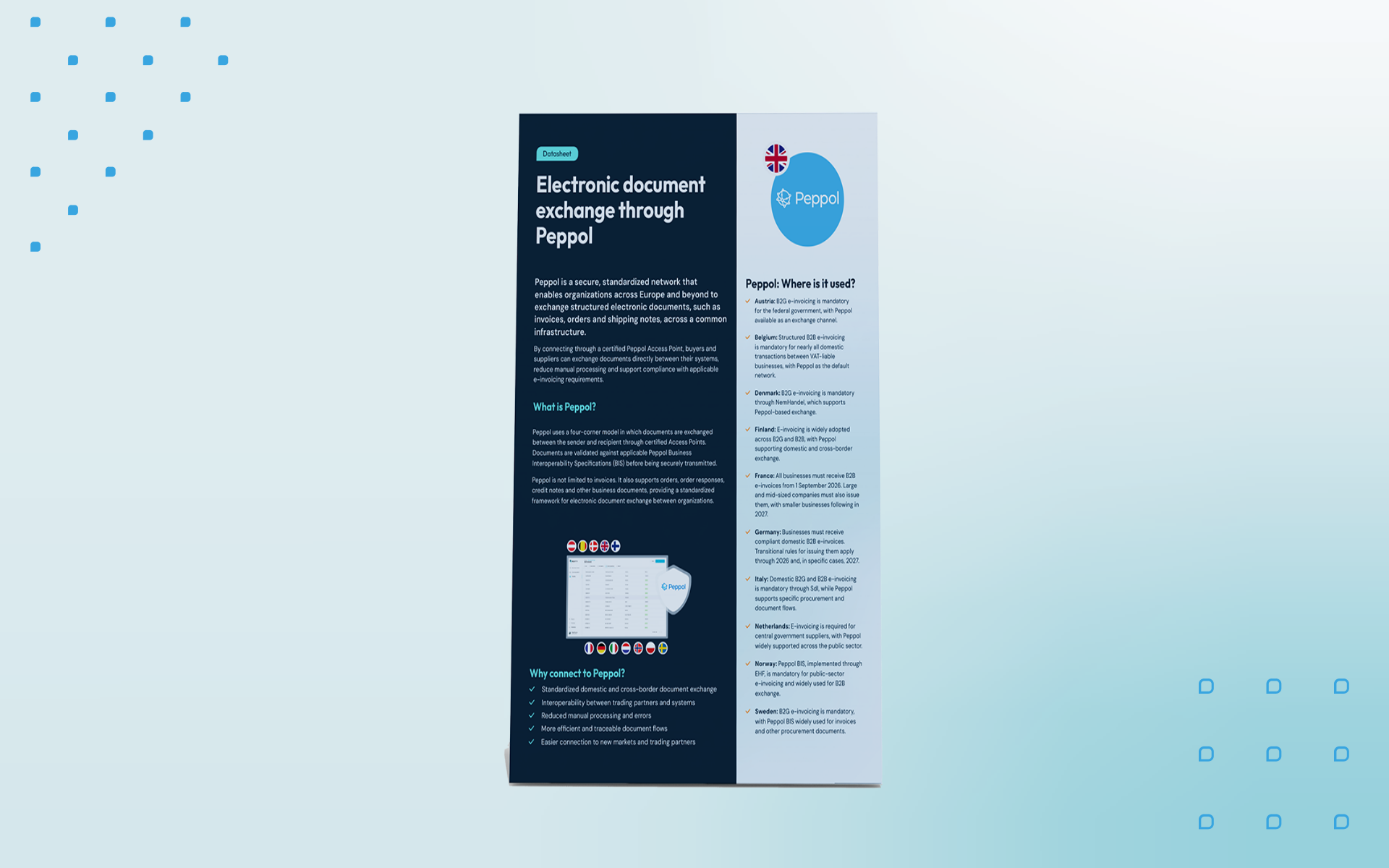
Electronic document exchange through Peppol
Peppol provides a standardized network for exchanging structured electronic documents,…
Start download

Croatia’s Fiscalization 2.0 mandate changes how businesses issue, receive and report structured e-invoices. Since January 2026, VAT-registered businesses in Croatia must exchange structured e-invoices for domestic B2B transactions. From 2027, the obligation is expected to expand to entities outside the VAT system.
For Finance, Tax and IT teams, the impact goes beyond invoice format. Organizations need to manage invoice validation, fiscal reporting, status visibility, ERP integration and audit-ready archiving as part of one controlled process.
This datasheet explains the practical impact of Croatia’s mandate and how Routty Cloud supports compliant e-invoicing and reporting flows.
In this datasheet, you will learn: